From Outdated Devices to Fresh Possibilities: The Perks of Recycling E-Waste
E-waste recycling plays a pivotal role in addressing environmental challenges. By transforming outdated electronics into reusable materials, it diminishes the need for virgin raw materials. This method not only saves energy but also promotes economic advancement through workforce expansion. Nevertheless, the intricacies of the recycling procedure and the significance of ethical practices pose important questions. What are the particular advantages and advancements propelling this initiative ahead? The findings may come as a surprise to most.
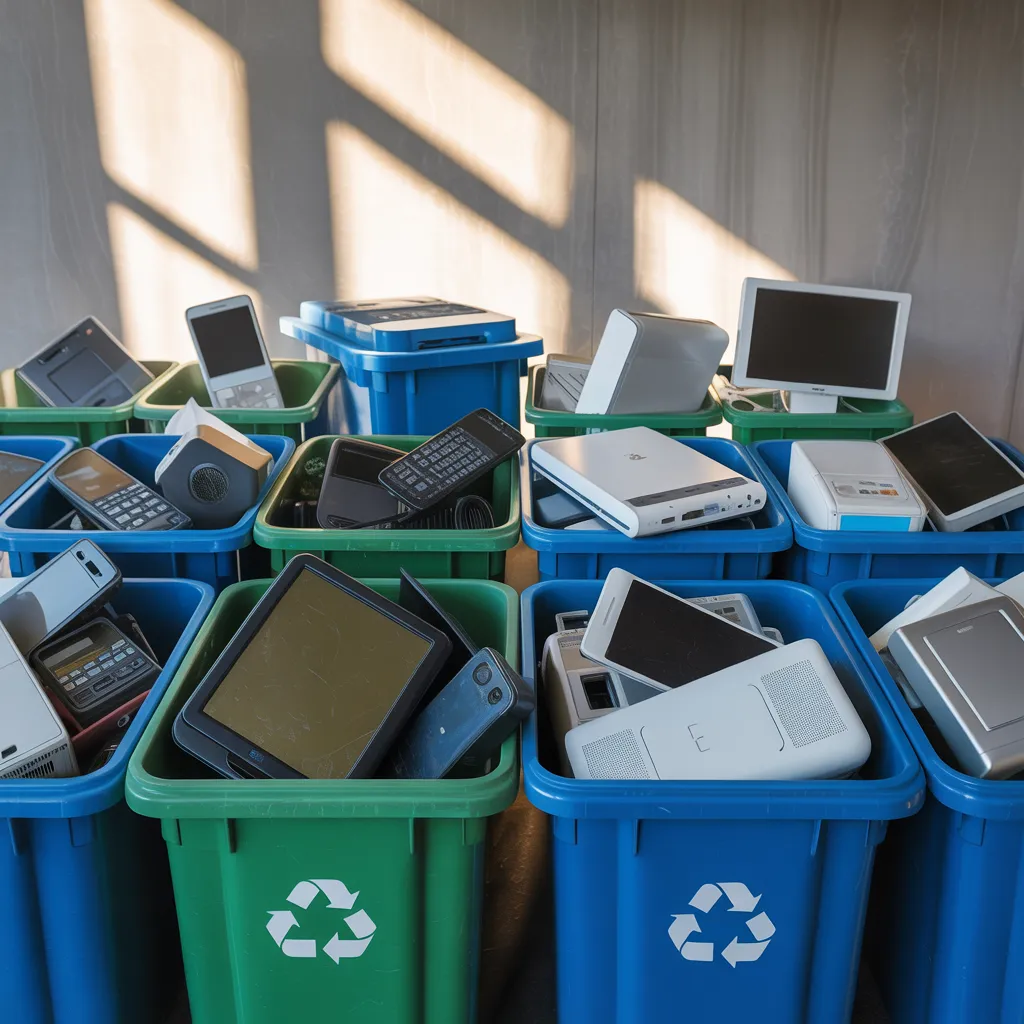
Why E-Waste Recycling Matters for Our Planet
E-waste recycling is essential for preserving our natural environment. With the rapid advancement of technology, electronic devices are rendered outdated, generating millions of tons of e-waste every year. Improper disposal can release hazardous materials, like lead and mercury, into surrounding soil and water sources, creating serious health hazards for both ecosystems and people. When these materials are properly recycled, valuable resources can be extracted and reused, decreasing reliance on raw material harvesting, which often results in environmental degradation.
Additionally, e-waste recycling conserves energy; metal recycling commonly uses less energy than the mining of virgin ores. This approach further decreases greenhouse gas emissions, supporting efforts to address climate change. Furthermore, conscientious recycling habits contribute to building sustainable consumption patterns, prompting consumers to reconsider their electronic buying decisions. Ultimately, e-waste recycling remains critical for upholding environmental integrity, encouraging resource conservation, and curbing pollution, thus helping to create a cleaner and healthier planet for future generations.
Jobs Generated Through E-Waste Recycling
A substantial amount of employment opportunities can be created through electronic waste recycling programs, supporting the local economy and job growth. Such programs demand a variety of positions, from collection and sorting to processing and refurbishing electronics. With the creation of electronic waste processing centers, neighborhoods can develop job prospects across multiple skill sets, improving employment options for community members.
Moreover, the growth of this sector promotes workforce programs that provide workers with targeted expertise in electronic waste recovery and sustainability management. Since interest in green solutions rises, electronic waste recycling not only mitigates ecological challenges but also fosters economic prosperity.
In addition, small businesses and startups frequently arise in response to the rising need for e-waste handling and disposal, further diversifying job opportunities. Overall, e-waste recycling functions as a driving force for employment generation, underscoring the relationship between ecological responsibility and economic development.
Valuable Materials Reclaimed From Electronic Waste
Electronic devices contain a wealth of precious materials that can be retrieved through recycling processes. Key materials include metals such as copper, gold, silver, and palladium, which are commonly employed in electrical wiring and circuit boards. These metals can be extracted and reused, significantly lowering the demand for raw material extraction. Additionally, rare earth elements, such as neodymium along with dysprosium, serve critical functions in producing advanced magnets and various other components.
Plastics and glass sourced from electronic devices play a significant role in recycling initiatives; plastics can be repurposed into new products, whereas glass can be processed and reformed into new screens or containers. Furthermore, batteries contain lithium, cobalt, and nickel, which are essential for energy storage solutions. By recovering these valuable materials, e-waste recycling works to preserve natural resources while simultaneously reducing environmental pollution, positioning it as a critical step in the journey toward a sustainable future.
Cool New Tech in E-Waste Recycling
Breakthroughs in modern technology are transforming the e-waste management industry, enhancing efficiency and effectiveness. State-of-the-art sorting systems, equipped with artificial intelligence, enables rapid identification and separation of recoverable materials from e-waste. This advancement limits human error while improving processing View more efficiency. Additionally, mechanized shredding systems can reduce devices to smaller parts, which enables more efficient extraction of precious metals and recyclable plastics.
Moreover, new chemical recycling processes are coming to light, enabling the extraction of rare earth elements from discarded electronics. These techniques not only optimize material recovery rates but also decrease environmental impact. Robotics are also making a considerable impact, with machines designed to handle hazardous materials safely, preserving the well-being of workers and the natural environment.
Thanks to these technological developments, e-waste recycling is evolving into more sustainable, paving the way for a resource-efficient economy where valuable resources are continually reused, ultimately benefiting both industry and the environment.
How to Dispose of Your Electronics Responsibly
Responsible recycling of electronics is vital in maximizing the benefits of technological advancements in e-waste processing. Consumers may take the first step by researching community e-waste recycling options or organized drop-off events. Many municipalities offer drop-off locations specifically for electronic devices. Ensuring that such facilities hold the appropriate certifications for responsible e-waste management is critical, as negligent disposal practices can contribute to significant environmental dangers.
Before disposing of devices for recycling, individuals must erase personal information from their devices to protect their privacy. This entails performing factory resets and taking out SIM cards where applicable. Additionally, items such as chargers and cables should also be included in the recycling process, as they hold valuable recyclable materials.
A number of manufacturers provide product return programs, allowing consumers to return used devices directly to the company. By adhering to these guidelines, people can play a role in a circular economy, limiting environmental waste and supporting the recovery of valuable resources.
Ways to Support E-Waste Recycling Efforts
Facilitating electronic waste recycling initiatives can be achieved through basic measures. Individuals can donate old electronics that are still functional, ensuring they benefit others while reducing waste. In addition, participation in local collection events promotes the responsible handling and recycling of aging technology.
Give Away Used Electronics
Donating old electronics serves as a crucial step in the e-waste reduction effort. By giving devices a second life, individuals can reduce landfill waste while assisting numerous nonprofit groups. Many nonprofits take in operational gadgets, channeling them to underserved communities or using them to fund their programs. This approach not only benefits people who lack the means to purchase new electronics but also advances the cause of environmental preservation. In addition, contributions frequently inspire mindful recycling habits, as organizations will typically recycle unusable components in compliance with environmental regulations. At its core, donating old electronics fosters a culture of reuse, making a significant impact on the larger mission of curbing electronic waste and the harmful consequences it poses to our planet.
Take Part in Collection Events
Engaging in collection events serves as a forward-thinking approach to advancing e-waste recycling initiatives. These events, commonly hosted by local governments or environmental organizations, offer practical opportunities for individuals to dispose of unwanted electronics responsibly. By participating in these occasions, participants help divert hazardous materials from landfills and make certain that valuable resources are collected and recycled.
Moreover, collection events help spread awareness regarding the importance of e-waste recycling within the community. They help build a culture of sustainability and motivate individuals to contemplate the ecological consequences of their electronic waste. Moreover, a variety of collection events deliver educational content, teaching attendees about appropriate disposal practices and the positive impacts of recycling electronic waste. All in all, involvement in these events makes a substantial contribution to broader sustainability initiatives.
Common Questions and Answers
Which Types of Electronics Are Recyclable?
Numerous types of electronics are recyclable, including laptops, smartphones, tablets, printers, televisions, and various household appliances. Proper recycling guarantees precious resources are retrieved, minimizing environmental harm and encouraging sustainability in the use of technology.
Is E-Waste Recycling Safe for the Environment?
E-waste recycling is largely safe for the environment when carried out correctly. It works to stop dangerous materials from contaminating soil and water, while also recovering valuable resources, consequently promoting sustainable practices and reducing environmental impact.
How Is Data Removed From Recycled Devices?
Data is wiped from repurposed devices through techniques such as data-wiping software, factory resets, or physical destruction of storage components. These processes guarantee confidential data is unrecoverable, protecting user privacy during e-waste recycling.
Can I Recycle Broken Electronics?
Yes, broken electronics are recyclable. A wide range of facilities process damaged devices, ensuring proper handling of harmful components. Recycling these items not only reduces landfill waste but also recovers valuable resources for incorporation into future manufacturing.
What Happens to E-Waste After Collection?
Once collected, e-waste is subjected to sorting and dismantling, where precious materials are separated. Remaining components are directed toward recycling or proper disposal, guaranteeing that harmful substances are controlled appropriately while extracting metals, plastics, and various recyclable resources.